
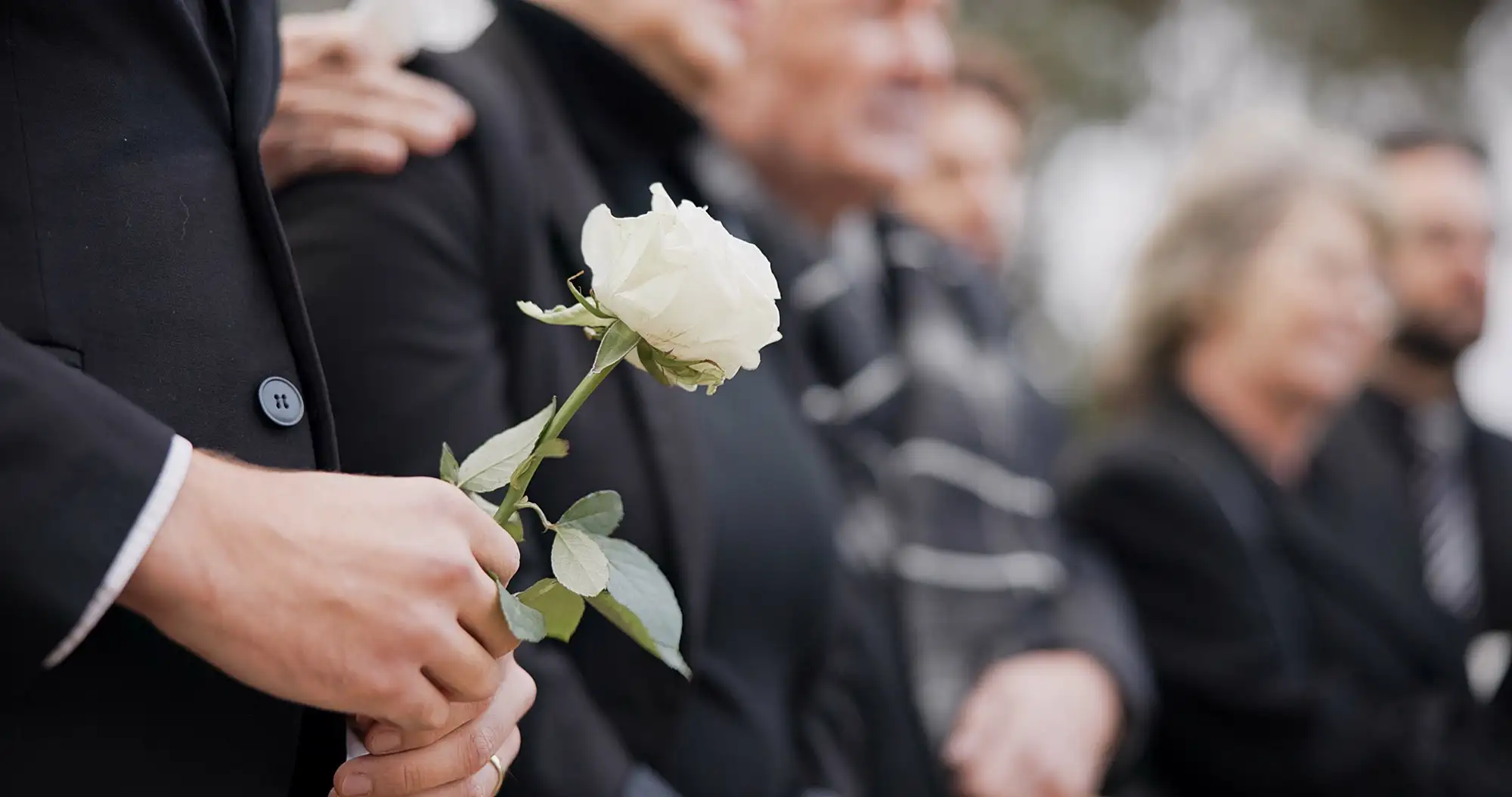
Selecting funeral flowers is one of the most meaningful ways to express sympathy, honour a loved one, and provide comfort during a difficult time.
At Hillier Funeral Service, we understand that choosing the right floral tribute can feel overwhelming, especially when emotions are running high. This guide explores the most popular funeral flowers in the UK, their symbolic meanings, and how to select arrangements that truly reflect your feelings and the memory of the deceased.
Why Funeral Flowers Matter
Flowers have been an integral part of funeral traditions for centuries. Their natural beauty brings a sense of peace and dignity to memorial services, whilst their symbolic meanings help us express emotions that are often difficult to put into words. Flowers not only brighten a difficult time but can also have a lasting positive impact on mental health and bring mourners closer together.
Whether you’re arranging flowers for a family member, friend, or colleague, understanding the significance of different blooms can help you create a tribute that feels both personal and appropriate.
The Most Popular Funeral Flowers
Lilies
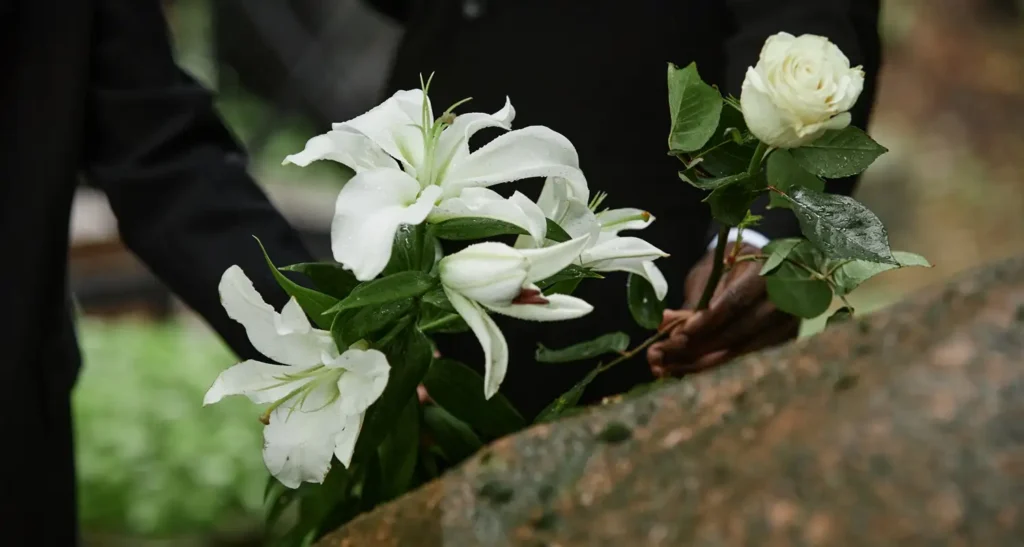
Lilies are perhaps the most traditional and widely recognised funeral flower in the United Kingdom. These elegant blooms carry profound symbolism and are often chosen for their association with the restoration of innocence and peace.
White Lilies represent purity and the rebirth of the soul, suggesting that the departed has returned to a state of innocence. They are particularly suitable for faith-based or religious services.
Stargazer Lilies symbolise ambition, sympathy, and compassion, making them a thoughtful choice when you want to convey deep understanding and support.
Oriental Lilies represent eternal life, offering hope and encouragement to grieving families.
Peace Lilies (often sent as potted plants) suggest rebirth following death and provide a long-lasting tribute that can be kept in the home as a beautiful reminder of happy memories.
Their distinctive sweet fragrance and bold blooms make lilies ideal for wreaths, sprays, and standing arrangements.
Roses
Roses are amongst the most versatile and beloved funeral flowers, with each colour carrying its own special meaning:
Red Roses express deep love, respect, and devotion. They are often chosen by spouses or partners to honour their loved one.
White Roses symbolise purity, innocence, reverence, and humility. They convey respect and are appropriate for any relationship.
Pink Roses represent grace, appreciation, and gratitude. They are often selected by family members and close friends.
Yellow Roses signify friendship, loyalty, and the strong bonds we share with those we’ve lost. They are particularly suitable when remembering a dear friend.
Dark Red or Deep Crimson Roses express sorrow and grief, acknowledging the depth of loss.
A single rose included within a mixed arrangement carries a particularly poignant message of enduring, everlasting love, regardless of colour.
Carnations
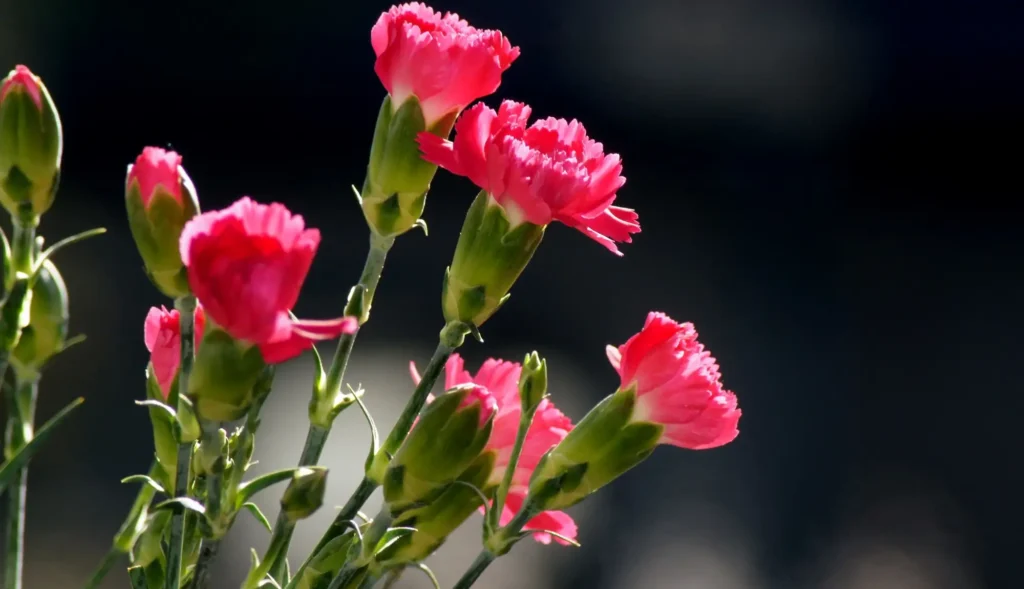
Carnations are extremely popular in funeral arrangements due to their longevity, delicate beauty, and rich symbolism. These flowers last longer than many other blooms, making them ideal for services that span several days.
White Carnations convey purity, innocence, and deep sorrow. They depict pure love and respect for the deceased.
Pink Carnations carry the message “I will never forget you” and represent remembrance and affection.
Red Carnations symbolise admiration and respect for the departed’s achievements and character.
Their small, ruffled blooms create beautiful fullness when bunched together, making them perfect for wreaths, letter tributes, and funeral sprays. Carnations are also an affordable option, allowing for larger, more elaborate displays.
Chrysanthemums
The symbolism of chrysanthemums varies by culture, but in the UK, they represent honour, loyalty, and friendship. These vibrant flowers are commonly used in funeral sprays and wreaths.
White Chrysanthemums symbolise truth, honesty, and innocence.
Red Chrysanthemums express love and deep emotion.
In European countries, chrysanthemums are strongly associated with memorial services and are often placed on graves. Their nickname “mums” makes them particularly meaningful when creating tributes for mothers.
Gladioli
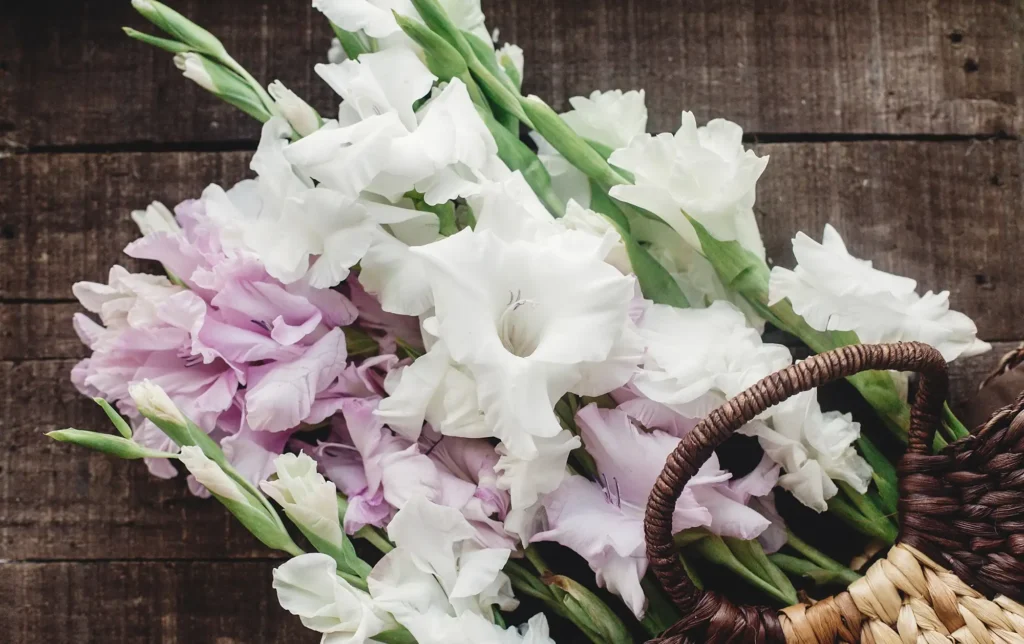
Gladioli, sometimes known as the “sword lily,” are tall, striking flowers that symbolise strength of character, moral integrity, sincerity, and faithfulness. Their impressive height and cluster of blooms make them especially suitable for fan sprays and standing arrangements.
These flowers are available in a wide range of colours including white, pink, red, purple, yellow, and orange. Their message is one of upliftment during a time of loss, celebrating the strength and character displayed by the departed.
Orchids
Orchids represent eternal love and everlasting devotion. Unlike cut flowers, potted orchids bloom year after year, providing a long-lasting tribute that families can keep as a permanent memorial.
White Orchids symbolise purity and reverence.
Pink Orchids represent sympathy, grace, and joy.
Purple Orchids convey dignity, respect, and admiration.
Blue Orchids are connected to spirituality and offer profound comfort.
Their longevity and heartfelt symbolism make orchids an increasingly popular choice for expressing sympathy when someone has passed away.
Tulips and Daffodils
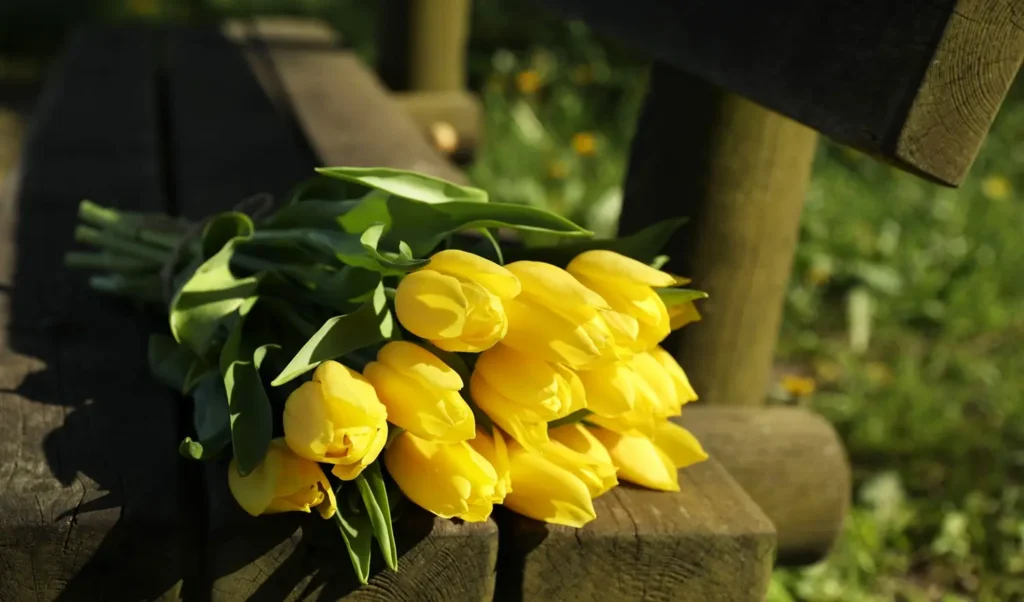
Whilst not traditional in every funeral, tulips and daffodils are sometimes chosen to represent hope, renewal, and new beginnings. As quintessential spring flowers, they bring brightness and comfort during difficult times.
Yellow Tulips symbolise cheerful thoughts and hope.
White Tulips signify peace and forgiveness.
Pink Tulips express confidence and care.
Daffodils represent rebirth and the promise of new beginnings, offering solace and optimism.
Understanding Flower Colours at Funerals
The colour of funeral flowers carries additional layers of meaning:
White is the most traditional funeral colour, representing peace, purity, innocence, and elegance. It is suitable for any relationship and any type of service.
Red signifies love, strength, respect, devotion, and courage. It makes a bold, heartfelt statement.
Pink represents grace, gentleness, appreciation, and remembrance. It’s ideal for close relationships.
Purple conveys dignity, respect, sorrow, and admiration. It’s appropriate for someone who made a significant impact.
Yellow symbolises friendship, warmth, hope, and joyful memories. It’s a comforting choice for celebrating a cheerful person.
Blue represents calmness, peace, sympathy, and serenity, offering soothing comfort during grief.
Types of Funeral Flower Arrangements
Understanding the different types of floral tributes can help you choose the most appropriate arrangement:
Funeral Wreaths
Traditional circular or heart-shaped wreaths symbolise never-ending love and eternal life. They are usually placed on the coffin during the service and later at the graveside. In the UK, the average cost of a funeral wreath ranges from £50 to £250, depending on size and flower selection.
Casket Sprays
These elegant arrangements are designed to lie flat on top of the coffin during the service. They can be single-ended (designed to cover one half of the coffin) or double-ended (covering the full length). Funeral sprays typically vary in price based on the flowers used and the size of the display.
Sheaves
A tied sheaf is a beautifully simple arrangement, similar to a large flat-backed bouquet. It lies on top of the coffin and offers an elegant alternative to traditional sprays.
Posies and Pillows
These smaller, round arrangements are often sent by extended family or friends. Posy pads are circular dishes filled with flowers in floral foam, whilst tied posies are small bunches that can be attached to the coffin or placed as individual tributes.
Letter and Shaped Tributes
Personalised tributes spelling out words like “Mum,” “Dad,” “Nan,” or the deceased’s name are increasingly popular. Carnations are particularly well-suited for these designs due to their small blooms and variety of colours.
Standing Sprays
These impressive displays are mounted on easels and positioned near the coffin or at the entrance to the service. They make a striking visual statement.
Choosing Seasonal Funeral Flowers
Selecting seasonal blooms ensures your flowers are fresh, vibrant, and often more affordable:
Spring: Tulips, daffodils, primroses, and early-blooming lilies bring hope and renewal.
Summer: Roses, gladioli, sunflowers, and a wide variety of seasonal blooms offer bright, cheerful tributes.
Autumn: Dahlias, chrysanthemums, and rich-coloured flowers reflect the season’s warmth.
Winter: Evergreens, winter heath, peonies from greenhouses, and arrangements featuring natural heather and pinecones create stunning seasonal displays.
Modern Trends in Funeral Flowers
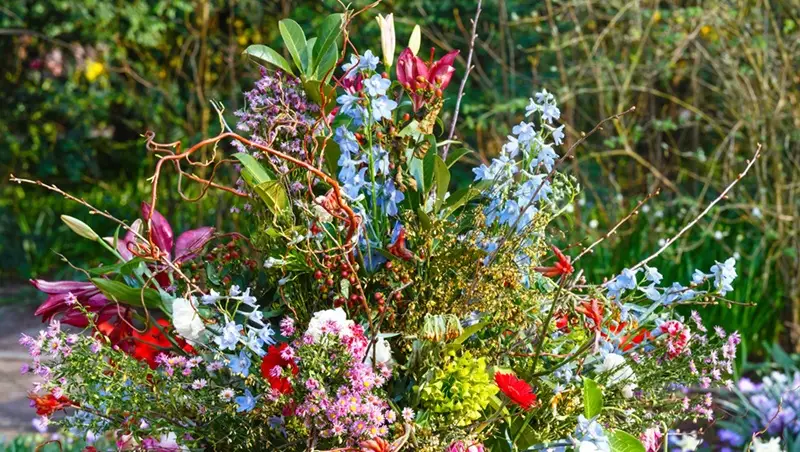
Funeral flower preferences in the UK are evolving:
Wildflower Arrangements: Natural, bohemian-style bouquets are becoming increasingly popular as alternatives to traditional structured arrangements.
Eucalyptus Foliage: Modern, lighter grey-green foliage is replacing traditional dark greens for a contemporary look.
Eco-Friendly Options: Fully biodegradable arrangements and locally-sourced, seasonal flowers appeal to environmentally conscious families.
Personalised Displays: Bespoke arrangements incorporating the deceased’s favourite flowers, colours, or even unconventional containers (such as gardening boots filled with flowers) create unique, personal tributes.
Roses Over Lilies: Recent trends show roses are now the most requested funeral flower in the UK, with lilies becoming less common than in previous generations.
What to Consider When Ordering Funeral Flowers
Relationship to the Deceased
Your relationship with the deceased influences both the type and size of arrangement you might choose. Immediate family members typically select larger tributes such as casket sprays or wreaths, whilst friends and colleagues often send smaller posies, sheaves, or sympathy flowers.
Cultural and Religious Considerations
Some faiths and cultures have specific preferences regarding funeral flowers. Always check whether flowers are appropriate and welcomed before ordering. Some families may prefer donations to charity instead of flowers.
Budget
Funeral flowers are available at a wide range of price points. The average cost of funeral flowers in the UK is approximately £140, though simpler arrangements start from around £30, whilst elaborate displays can exceed £250. Choose what feels comfortable for your budget – the sentiment matters more than the price.
Delivery Details
When ordering funeral flowers, you’ll need to provide:
- The name of the deceased
- The date, time, and location of the service
- Contact details for the funeral director
- Your personal message for the accompanying card
Most florists recommend ordering at least 24 to 48 hours before the service, though many can accommodate last-minute requests.
Personal Touches
Consider the deceased’s favourite flowers or colours when making your selection. Personal preferences create more meaningful tributes than strictly following tradition.
What to Write on Funeral Flower Cards
Finding the right words can be challenging. Here are some thoughtful message suggestions:
- “With deepest sympathy and loving memories”
- “Forever in our hearts”
- “In loving memory of a wonderful [mother/father/friend]”
- “Your memory will live on in our hearts”
- “With love and heartfelt condolences”
- “Thinking of you at this difficult time”
- “May beautiful memories bring you comfort”
- “Gone but never forgotten”
Keep messages sincere, brief, and appropriate to your relationship with the deceased and their family.
After the Service: What Happens to Funeral Flowers
Many people wonder about the fate of funeral flowers after the service. Options include:
Leaving at the Graveside: Traditional wreaths and sprays are often left at the burial site as a lasting tribute.
Taking Home: Some families distribute flowers amongst mourners or take arrangements home.
Donating: Flowers can sometimes be donated to hospitals, hospices, or care homes to bring joy to others.
Creating Keepsakes: Flowers can be dried and preserved as pressed flower art, bookmarks, or incorporated into memorial jewellery.
Planting: Some families plant bulbs or perennial flowers in memorial gardens to create living tributes.
Support from Hillier Funeral Service
Choosing funeral flowers should honour the memory of your loved one whilst providing comfort to those who mourn. At Hillier Funeral Service, our experienced team is here to guide you through every decision with sensitivity and care.
Working closely with a local florist, we offer expert guidance to help create a fitting floral tribute for your loved one. Our wide range of floral options can be customised by changing the colours and flower types to suit individual preferences.
Whether you’re looking for traditional lilies and roses, vibrant seasonal arrangements, or bespoke tributes that reflect a unique personality, we can help you select or create the perfect floral display.
If you need assistance choosing funeral flowers or would like to discuss custom arrangements, please don’t hesitate to contact our compassionate team. We’re here to support you during this difficult time and ensure your floral tribute conveys exactly what you wish to express.