

When we lose someone we love, the funeral service is an important moment to say goodbye. However, many families in Swindon and the surrounding areas find that the wake is where the most healing happens.
In the UK, the wake is a cherished tradition – a more relaxed gathering where we move from the formality of the service into a space of shared stories, comfort, and connection.
At Hillier Funeral Service, we know that organising this part of the day can feel like a big task while you are grieving. We are here to help you take it one step at a time.
What Is a Wake?
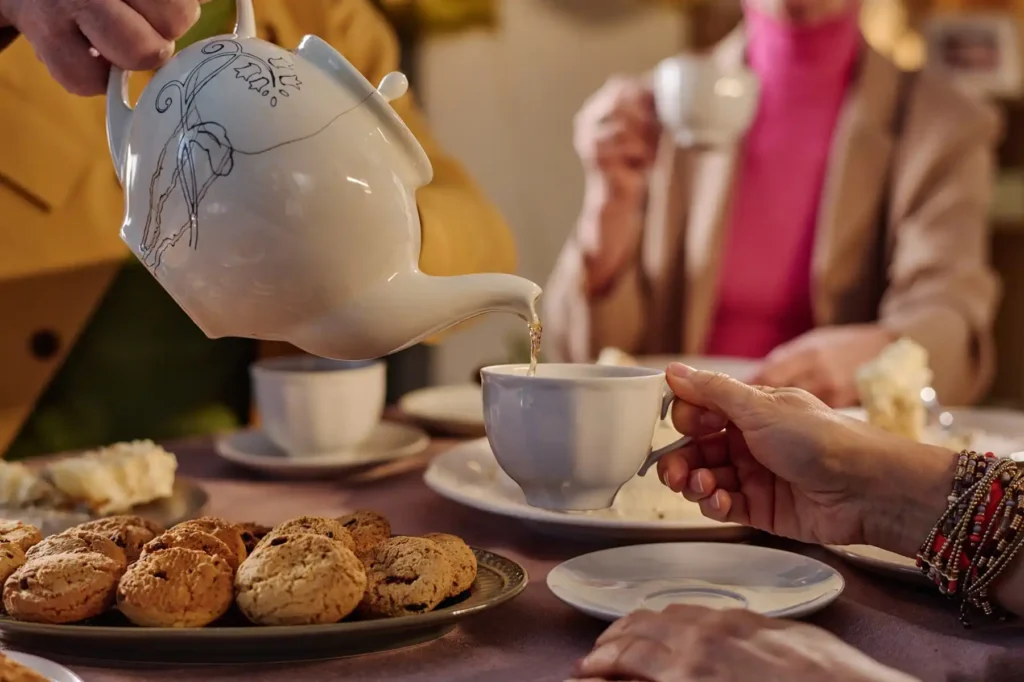
Historically, a wake involved keeping a vigil over the deceased before burial, a practice with deep roots in Celtic traditions. Today, it is more commonly a “celebration of life” held immediately after the funeral. It’s a less structured environment where friends can offer condolences and support one another over a cup of tea or a favourite drink.
The beauty of a wake lies in its flexibility. There are no strict rules about what must happen, allowing families to create a gathering that truly reflects the personality and wishes of their loved one. Some wakes are quiet, reflective occasions, whilst others become lively celebrations filled with laughter and storytelling.
Step 1: Is a Wake Right for Your Family?
There are no “musts” when it comes to a wake. It is entirely your choice. Ask yourself:
- What would your loved one have enjoyed? A quiet reflection or a lively gathering?
- Do you have the emotional energy to host others right now?
- Will this time together help you to feel less alone in our grief?
- What are your practical considerations, such as budget and time?
Whilst a wake is not compulsory, there are several meaningful reasons why families choose to hold one:
- Provides a Space for Connection: After the formality of the funeral service, a wake allows people to connect on a more personal level, sharing stories and memories that might not have been appropriate during the ceremony.
- Offers Comfort and Support: Gathering with others who knew and loved the deceased can be deeply comforting. It reminds us that we’re not alone in our grief.
- Celebrates a Life Lived: Rather than focusing solely on the sadness of loss, a wake gives us the opportunity to celebrate the joy, love, and impact our loved one brought to the world.
- Allows for Broader Attendance: Some people who couldn’t attend the funeral service may be able to come to the wake, giving them a chance to pay their respects.
- Helps Children Participate: If children didn’t attend the funeral, the wake can offer a more suitable environment for them to say goodbye in their own way.
Remember, there’s no right or wrong answer. Some families find great comfort in a wake, whilst others prefer a quieter, more private time of mourning. Both choices are perfectly valid.
Step 2: Determine Who to Invite
Once you’ve decided to hold a wake, consider who should attend:
- Open To All: Do you wish the wake to be open to anyone who attended the funeral or knew the deceased? If so, you can announce this at the end of the funeral service or included in the funeral notice.
- Private: Or do you prefer for the wake to be limited to close family and friends only? You’ll need to send personal invitations by phone, email, or post to those you wish to attend.
- Semi-private: Open to funeral attendees but held at a smaller venue or home to naturally limit numbers.
When planning your guest list, think about:
- How many people are likely to attend the funeral?
- How big is the wake venue and how many people can it accommodate?
- Are there people who couldn’t make the funeral but would appreciate attending the wake?
Step 3: Choose the Right Venue For The Wake
The venue you select will set the tone for your wake. Here are some popular options in and around Swindon:
- At Home: Hosting the wake at the family home can create an intimate, personal atmosphere. This works well for smaller gatherings and can be more budget-friendly. However, consider whether you’ll feel comfortable having guests in your home during such an emotional time, and whether the space is large enough.
- Local Pub: Many people choose to hold the wake at a local pub, particularly if it was a favourite spot of the deceased. Pubs offer a relaxed, welcoming environment and typically have food and drink readily available.
We have great relationships with the following pubs in and around Swindon; Kingsdown Inn, The Crown Inn, The White Hart, The Tawny Owl, The Bolingbroke Arms and The Moonraker.
- Hotel or Function Room: Hotels and function rooms provide a neutral space with facilities for larger groups. Many offer catering packages specifically designed for funeral wakes.
We know many local families have held funeral wakes at these local hotels: Blunsdon House Hotel, Stanton House Hotel, The Highworth Hotel and Chiseldon House Hotel.
- Community Hall or Village Hall: These venues are often affordable and can accommodate a good number of guests, though you may need to arrange your own catering.
- Golf Club or Sports Club: If your loved one was a member of a club, these venues can add a personal touch and often have excellent facilities.
These two golf clubs are popular with local families; Wrag Barn Golf Club and Bassett Down Golf Club
- Our Funeral Home: At Kingshill House, we have a beautiful wake room. This is a popular option with local families who use our Service Room prior to a direct cremation, as it means guests don’t need to travel between venues.
When choosing your venue, consider:
- Capacity: Will it comfortably fit your expected number of guests?
- Accessibility: Is it easy to reach and suitable for elderly guests or those with mobility issues?
- Parking: Is there adequate parking onsite or nearby?
- Availability: Can they accommodate you on your preferred date and time?
- Catering Provision: Do they provide catering services, or can they recommend a local caterer?
- Cost: Does the venue fit within your budget?
Top tip: Co-ordinating the dates for the service and the wake can sometimes be tricky, so we’re here to help you with this in any way we can.
Step 4: Plan the Timing
Decide when the wake will take place.
- Immediately After the Funeral: The wake begins within 30 minutes to an hour of the funeral service ending. This is the most common approach, allowing guests to travel directly from the funeral to the wake venue.
- Later the Same Day: If only close family will attend the committal (burial or final moments at the crematorium), you might schedule the wake a few hours after the funeral service, giving the immediate family private time first.
- The Following Day: Occasionally, families hold the wake the day after the funeral, particularly if they need more time to prepare or if the funeral is held late in the day.
- Evening Wake: Some families prefer an evening wake, which can allow people who work during the day to attend.
Consider the practical aspects:
- Is the service in the morning or evening?
- How long will the funeral service last?
- How far is the wake venue from the funeral location?
- Do guests need time to travel home afterwards?
- What are the venue’s operating hours?
A typical wake lasts between two to four hours, though there’s no set rule. Some guests may leave earlier, whilst close family and friends often stay longer.
Step 5: Arrange the Catering
Food and drink are central to British wake traditions. You will usually find that there is plenty of food and drink available for you to help yourself to. Here’s how to approach catering:
- Catering Options: You can hire professional caterers or opt for self-catering to keep costs down.
- Professional Caterers: Many venues include catering in their package, or you may be able to hire an external caterer. This removes the burden of food preparation during an already stressful time.
For those that choose a Service and Wake at our Kingshill House funeral home, we offer locally made catering in partnership with Prospect Hospice.
- Self-Catering: If you’re holding the wake at home or in a venue that allows it, you can prepare food yourself or ask family and friends to contribute dishes. This can be more personal and cost-effective.
- The Menu:
- Buffet Style: Most wakes in the UK feature buffet-style service, allowing guests to help themselves when they’re ready. This is practical and keeps the atmosphere informal.
- Drinks: Offering tea, coffee and soft drinks is a popular option. Many wakes also offer alcoholic beverages such as beer, wine, and spirits, though this depends on family preferences and cultural or religious considerations.
- Special Dietary Requirements: Remember to cater for guests with dietary restrictions, including vegetarian, vegan, gluten-free, and allergic requirements. Ask your caterer about options, or if you’re preparing food yourself, label dishes clearly.
- Personal Touches: Consider including your loved one’s favourite foods or drinks. If they had a particular fondness for a certain cake, dish, or beverage, featuring it at the wake can be a touching tribute.
Top tip: Plan for more food than you think you’ll need. It’s better to have leftovers than to run out, and grieving family members often forget to eat and may appreciate taking food home.
Step 6: Inform Guests About the Wake
Once you’ve made the arrangements for the wake, you need to let people know about the details. There are several ways to do this:
- Announce at the Funeral: The most common method is to announce the wake details at the end of the funeral service. The celebrant or funeral director can inform attendees of the venue address and timings, inviting them to join.
- Include in the Funeral Notice: When placing a death announcement in the local newspaper or online, include the wake information alongside the funeral details.
- Word of Mouth: For smaller, private wakes, personally contact guests by phone, text, or email.
- Funeral Order of Service: Include wake details in the printed order of service handed out at the funeral.
- Social Media: For less formal arrangements, some families share wake information through social media platforms or private messaging groups.
Make sure to clearly communicate:
- The venue name and full address
- The start time (and end time if applicable)
- Whether all funeral attendees are welcome or if it’s a private gathering
- Any special requests (for example, “family flowers only” or “donations welcome”)
Step 7: Consider Personal Touches and Activities
Whilst wakes are a sad occasion, they also provide an opportunity to celebrate your loved one’s life. Consider adding personal elements:
- Memory Displays: Create a table with photographs spanning your loved one’s life. Include pictures from childhood, family occasions, holidays, and special moments. This gives guests something to look at and often sparks conversations and shared memories. Why not ask them to bring a photo to contribute to the display.
- Memory Book or Cards: Provide a guest book where attendees can write messages, memories, or condolences. Some families also provide memory cards that guests can fill in and leave for the family to read later.
- Photo Slideshow or Video: A digital slideshow set to music can play throughout the wake, celebrating your loved one’s life through images and perhaps video clips.
- Music: Playing your loved one’s favourite music in the background can create atmosphere and prompt fond memories. Keep the volume at a level that allows for conversation.
- Memorial Table: Display meaningful items such as hobbies, awards, collections, or other objects that represent your loved one’s interests and passions.
- Candle Lighting: Some families incorporate a remembrance candle that guests can light during the wake.
- Favourite Flowers: If your loved one had a favourite flower, incorporate them into the venue decoration.
- Charity Collection: If the family has requested donations to a charity instead of flowers, have collection boxes or envelopes available at the wake.
Remember, these touches are entirely optional. Some families prefer a simpler gathering focused on conversation and support, which is equally meaningful.
Step 8: Assign Practical Responsibilities
Planning a wake whilst grieving can be overwhelming. Don’t hesitate to ask for help and delegate tasks to willing family members and friends:
- Greeting Guests: Ask someone to welcome people as they arrive
- Serving Refreshments: If it’s not a catered event, designate people to serve tea, coffee, and food
- Technical Support: If you’re showing a slideshow or playing music, have someone responsible for the technical aspects
- Parking Assistance: For larger wakes, someone directing parking can be helpful
- Clearing Up: Arrange for a few people to help with tidying at the end
Many people genuinely want to help during difficult times but don’t know what to do. Giving them specific tasks can be a relief to everyone involved.
Step 9: Set Your Budget
A meaningful wake doesn’t require a large budget. Costs vary based on venue hire and catering. Limiting the guest list or hosting at home are effective ways to manage expenses. Consider the following when planning a wake:
- Venue hire: Some venues are free (such as your home or a community hall you already have access to), whilst others may charge hundreds of pounds
- Catering: Professional catering typically can cost between £10-30 per person, whilst self-catering can be significantly cheaper
- Drinks: Alcoholic beverages will increase costs, though many pubs offer reasonable packages. It’s reasonable to pay for the first drink for guests, or put a fixed amount of money behind the bar, and after that guests pay for their own.
- Additional touches: Consider that printed memory cards, flowers, or hiring equipment will add to the total
Budget-Friendly Options:
- Hold the wake at home
- Ask friends and family to contribute a dish each
- Skip alcohol or limit it to a single toast
- Use venue facilities rather than hiring additional equipment
- Limit the guest list to close friends and family only
Remember, a meaningful wake doesn’t require a large budget. What matters most is gathering together to remember and celebrate the person you’ve lost.
Step 10: Prepare Emotionally
Organising the practical aspects of a wake is one thing; preparing yourself emotionally is quite another. Here are some thoughts to keep in mind:
- It’s Okay to Feel Overwhelmed: Planning a wake whilst grieving is difficult. Be kind to yourself and accept help when it’s offered.
- You Don’t Have to Be “Strong”: Funeral receptions are far less formal than the service itself, and they are the perfect time to share funny but heart-warming stories about the deceased, as well as comforting and sharing your condolences with the family. It’s perfectly acceptable to show emotion, to cry, or to need a quiet moment.
- Not Everyone Will Know What to Say: People may feel awkward or say things that don’t quite land right. They usually mean well, even if the words come out wrong.
- Take Breaks If You Need To: If you need to step away for a few minutes during the wake, do so. Your wellbeing matters.
- Focus on What Matters: The wake is ultimately about coming together. Small imperfections in the planning or execution don’t matter in the grand scheme of things.
What Happens at a Wake?
If you’ve never attended a wake before, you might wonder what actually happens. Here’s what to expect:
- Arrival: Guests typically arrive and are greeted, often by immediate family members or close friends. They may express their condolences at this point.
- Refreshments: There will be food and drinks available, usually in the form of sandwiches, crisps, tea and coffee. Guests help themselves to food and drink, usually buffet-style.
- Mingling and Conversation: Unlike the structured funeral service, a wake has no set programme. People move about, talking with different groups, sharing memories and stories about the deceased.
- Sharing Stories: Something that often ends up happening at wakes is the telling of old stories. Family members and friends of the person that died usually share fond memories of their loved one. These moments of reminiscence can include laughter as well as tears.
- Offering Support: The wake provides an opportunity for guests to offer support to the bereaved family. This might be through conversation, a hug, or simply being present.
- Viewing Displays: If there are photo displays, memory books, or other tributes, guests often spend time looking at these and reflecting.
- Gradual Departure: Unless a set end time is set, guests usually leave gradually over the course of a few hours, with close family and friends often remaining until after others have left.
Wake Etiquette: What Guests Should Know
If you’re attending rather than organising a wake, here are some etiquette pointers:
- Dress Code: Unless told otherwise, wear the same clothing you wore to the funeral. Dark, respectful attire is appropriate, though some families request brighter colours to celebrate life.
- Arrive on Time: Try to arrive reasonably soon after the stated start time, but don’t worry if you’re a bit late.
- Offer Condolences: Express your sympathies to the immediate family, but keep it brief if they’re speaking with many people.
- Share Memories: If you have a fond memory or story about the deceased, the wake is an appropriate time to share it with family members.
- Be Respectful of the Mood: Follow the family’s lead. If the atmosphere is quiet and reflective, keep your voice low. If it’s more of a celebration, it’s appropriate to share laughter along with tears.
- Stay a Reasonable Time: It’s good etiquette to not disappear after the funeral and spend a decent amount of the time socialising at the wake. An hour or two is generally appropriate, though close friends and family may stay longer.
- Offer Practical Help: If you notice something needs doing – tea cups need refilling, napkins are running low – and you’re comfortable doing so, pitch in.
- Cultural and Religious Variations
It’s worth noting that wake traditions can vary depending on cultural and religious backgrounds: - Religious Considerations: Some faiths have specific traditions around post-funeral gatherings. Always respect the family’s religious and cultural practices.
How Hillier Funeral Service Can Help
At Hillier Funeral Service, we understand that organising a wake is just one of many responsibilities falling on your shoulders during a difficult time.
We’re here to support you throughout the entire process.
Our experienced team can:
- Recommend suitable wake venues in the Swindon area
- Connect you with trusted caterers and suppliers
- Help coordinate timing between the funeral service and wake
- Provide advice on planning a wake that truly reflects your loved one
- Offer support and guidance with all practical arrangements
We believe that every wake should be as unique as the person it honours. Whether you envision a traditional gathering or something more contemporary and personal, we’ll work with you to make it happen.
Final Thoughts
Organising a wake may feel like another burden during an already overwhelming time, but many families find that it becomes one of the most meaningful aspects of saying goodbye. Although wakes are a sad occasion, they provide a chance for families to reunite and remember the good times.
There’s no single “right way” to hold a wake. What matters is creating a space where people who loved and cared for the deceased can come together, share their grief, offer support to one another, and celebrate a life that touched theirs.
Take it one step at a time, accept help when it’s offered, and remember that perfection isn’t the goal – connection is.
If you’re planning a funeral in Swindon or the surrounding areas and would like support in organising a wake, please don’t hesitate to contact the compassionate team at Hillier Funeral Service. We’re here to help you honour your loved one in a way that feels right for you and your family.
Contact us on 01793 522797 at any time.